

Residents in Round Rock, Cedar Park, Georgetown, and North Austin sometimes assume they can choose whether to file for divorce in Williamson County or Travis County. In reality, Texas law requires a divorce to be filed in the county where a person actually resides for at least the last 90 days. Many neighborhoods in these cities sit on both sides of the county line, which means two homes on the same street may fall in different counties.
A spouse must file for divorce in the county where their home is physically located and where they have lived for at least 90 days before filing. Because of this, residents do not have the option to select the county they prefer. The location of the residence determines where the case must be filed.
Katy Lovett is a Round Rock family lawyer who regularly represents clients in divorce cases in both Williamson County, TX and Travis County, TX. In this blog, our team at the Law Office of Katy M. Lovett discusses the differences between the two counties, including local procedures, court schedules, and expectations that can affect how a divorce case moves forward.
Divorce in Central Texas Is Not One Size Fits All
Divorce in Central Texas follows the same Texas Family Code, but the process can look very different depending on the county where the case is filed. Courts in Williamson County and Travis County apply the same state laws, yet each county has its own unique procedures; filing requirements, hearing availability, mediation practices, and courtroom procedures may vary by county.
For this reason, it is important to work with an experienced family law attorney who understands the local courts and can help ensure that your case complies with the specific procedures used in the county where your divorce is filed.

Filing for Divorce in Travis County
When a divorce is filed in Travis County (whether through in-person filing or online), the petition is submitted to the Travis County District Clerk, along with the required filing fees. After the case is opened, it is randomly assigned to one of the Travis County family district courts, and the parties must comply with the county’s local rules, including the Travis County standing orders that apply to most family law cases.
Unlike some counties, where each judge handles all hearings for cases assigned to that courtroom, Travis County uses a central docket system for most family law matters. Under this system, many hearings are scheduled through a shared central docket rather than being handled only by the judge assigned to the case, which means different judges may hear different issues as the divorce moves forward.
NOTE: At present, the 250th District Court operates differently and does not participate in the central docket system, so hearings for cases assigned to that court are handled directly through that court’s schedule.
What is the Travis County Central Docket System?
After a divorce case is filed and assigned to a district court, many routine hearings are scheduled through a shared docket that serves several family courts rather than being heard only by the judge assigned to the case.
This system allows the court to schedule hearings more quickly because multiple judges are available to hear matters on the central docket. As a result, a party may appear before different judges throughout the case for issues such as temporary orders, discovery disputes, or procedural motions.
The Texas Supreme Court was recently considering a vote to eliminate the central docket, but it ultimately did not do so.
What the Central Docket Means for Your Divorce Case
The Travis County central docket system can affect how your divorce hearings are handled. In many situations, you may not know which judge will hear your case until the day of the hearing because matters are assigned through the shared docket rather than through a single courtroom.
As a result, different stages of the case may be heard by different judges. One judge may handle the initial temporary orders hearing, another judge may hear additional temporary matters, and a different judge could preside over the final hearing. If issues arise after the divorce is finalized, such as enforcement or modification requests, those hearings may also be heard by yet another judge.
This means the judge hearing a particular issue may not have been present for earlier hearings in the case. Each hearing may involve explaining the situation again to a judge who did not personally observe the earlier testimony or arguments.
Benefits and Challenges of Travis County Divorce Cases
Benefits of Travis County Divorce Cases
- Potential for faster hearing settings because multiple judges are available through the central docket system
- More flexibility in scheduling hearings, which can help address urgent issues sooner
- Efficient handling of high case volume in a large county with many family law filings
Challenges of Travis County Divorce Cases
- Lack of judicial continuity, since different hearings may be handled by different judges
- You may need to explain the case repeatedly because the judge hearing a motion may not have been involved in earlier hearings
- Cases can linger on the docket without a single assigned judge closely monitoring progress
- While the Texas Legislature recently passed measures intended to help keep cases moving, the system can still create procedural challenges for some divorcing parties

Filing for Divorce in Williamson County
After a divorce petition is filed with the district clerk in Williamson County, TX, the other spouse must be formally served, or they must sign a waiver of service. The case then proceeds through the required steps under Texas law, including the 60-day waiting period before a divorce can be finalized.
Once the divorce is filed in Williamson County, the case is assigned to one of the district or county courts that handle family law matters. Unlike Travis County’s central docket system, hearings in Williamson County are typically handled by the specific court and judge assigned to the case.
Random Assignment to a Specific Court
When you file for divorce in Williamson County, your case is randomly assigned to a specific court, which may be a district court or a county court at law that handles family law matters. Once the case is assigned, that court will generally manage the case from the beginning to the end.
This means you typically know in advance which judge will be handling your case early in the process. The same judge will usually preside over temporary orders hearings, pretrial matters, the final divorce hearing, and any post-divorce issues that may arise later, unless the judge changes due to retirement, reassignment, or election results.
Benefits of Williamson County Divorce Cases
Williamson County divorce cases typically provide greater continuity because one assigned judge oversees the case from the beginning through the final hearing and any post-divorce matters. This allows the judge to become familiar with the history of the case and can lead to more consistent decision-making compared to the Travis County central docket system.

Why Judicial Continuity Can Matter in a Texas Divorce
Because Williamson County uses a traditional court assignment system rather than a central docket, it offers several advantages for divorcing parties, including:
- Greater continuity in decision-making because the same judge typically oversees the case from the original petition to the final decree
- The judge becomes familiar with the case history, including prior hearings, testimony, and evidence
- More predictable court procedures since the case remains with one court rather than moving between multiple judges
- Better case oversight, as one judge is responsible for monitoring the progress of the case
- Consistency in rulings, which can help reduce confusion when issues arise during the divorce process or after the case is finalized
How Different Judges Can View Certain Issues
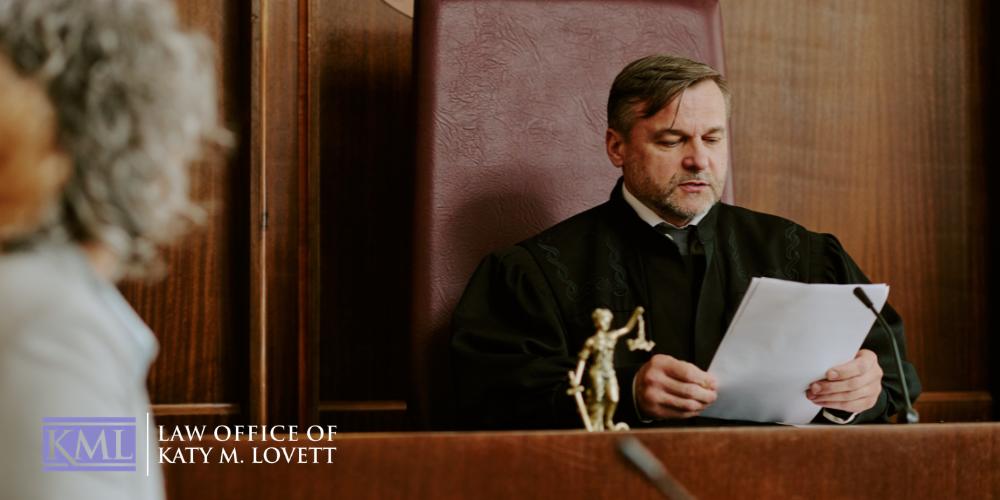
Even though all family courts apply the same Texas Family Code, judges may approach certain issues differently based on their experience and judicial philosophy. This does not mean one court is better than another, but it does mean that outcomes can vary depending on how a particular judge views specific issues that arise in divorce and custody cases.
For example, judges may have different perspectives on matters such as how adultery should affect the division of property, how marijuana use by a parent should be evaluated in a custody dispute, whether overnight visitation is appropriate for children under three years old, and when temporary spousal support may be appropriate. Judges may also differ in how they approach possession schedules, including whether a 50/50 arrangement is appropriate or whether the standard possession order is more suitable for the family’s circumstances.
When a case is assigned to a specific judge, an attorney who regularly practices in that court can often anticipate how certain issues are likely to be evaluated. Understanding the judge’s preferences and expectations allows your attorney to prepare the case more effectively and provide guidance tailored to the court handling the divorce.
Why the County Where You File Can Impact Strategy
The county where a divorce is filed can significantly influence how a case is approached and managed. Differences in court procedures and scheduling can affect litigation strategy, preparation, and expectations throughout the case.
For example, venue matters because it can shape how temporary orders hearings are handled and how quickly those hearings may occur. Strategy for temporary orders, negotiation timing, and trial preparation may all be influenced by the structure of the county’s court system. Attorneys also consider how the court manages its docket when advising clients on settlement negotiations and the likelihood of hearings within specific time frames.
Client expectations are another important consideration. Understanding how a particular county’s courts typically operate helps set realistic expectations about the timeline of the case and how certain issues may be addressed during hearings.
Geography can also have long-term implications when children are involved. In many child custody orders in both Travis County and Williamson County, the primary residence of the child is restricted to the county where the case is filed or to that county and its surrounding counties. As long as both parents continue living in that county, the geographic restriction generally remains in place until the child turns 18 or graduates from high school.
Ultimately, these differences are not about one county being “better” or “worse” than the other; the key point is preparation and predictability. Understanding how each county’s courts operate allows your attorney to develop a strategy that fits the procedures and expectations of the court handling the case.
What This Means for Families in Round Rock and Surrounding Areas
In most cases, a Round Rock divorce will be filed in Williamson County. However, some neighborhoods fall on the Travis County side of the city, which means those residents must file their case there instead, and the district clerk’s office in that county will maintain the case file and divorce records.
Regardless of which county the divorce falls under, these cases involve issues that strongly benefit from legal guidance, especially when disagreements arise with the other party or when even one issue, such as property division or child custody, becomes contested. Speaking with a local family law attorney like Katy Lovett can help you understand which county your case must be filed in and what procedures may apply.
Work With a Round Rock Divorce Lawyer Who Understands Both Counties
Working with a divorce lawyer who understands both Williamson County and Travis County courts can make a meaningful difference during a divorce. Each county follows the same Code, but court procedures, scheduling practices, and expectations can vary. Attorney Katy Lovett regularly handles cases in both counties and provides clients with informed legal counsel on issues such as property division, child custody arrangements, child support, and requests for protective orders when safety concerns arise.
As your attorney, Katy can help ensure that the correct documents are filed with the proper required information and that the case moves forward efficiently until the judge signs the final divorce decree. This level of preparation helps clients understand what to expect at each stage of the process and reduces the risk of costly mistakes that could delay the case or affect important outcomes.
By working with a lawyer who understands both court systems, families in Round Rock and surrounding communities can approach the divorce process with greater clarity and strategic preparation.

Schedule a Divorce Consultation With The Law Office of Katy M. Lovett Today
If you have questions or concerns about filing for divorce in Travis County or Williamson County, TX, speaking with an experienced family law attorney at the Law Office of Katy M. Lovett can help you understand your options. Our dedicated legal team can review your situation, explain how local court procedures may affect your case, and help you move forward with confidence.
Call our law office directly at (512) 956-5356 or visit our contact page to schedule a consultation and learn how Williamson County divorce lawyer Katy Lovett can assist you in working toward a practical and effective way to resolve your case.