
Practice Areas
Experienced Williamson County Family Law Attorney Helping Clients Navigate the Texas Adoption Process

Choosing to adopt is a life-changing decision, and one that deserves careful legal guidance from the very beginning. The Law Office of Katy M. Lovett is a Williamson County family law firm helping individuals and families with adoption matters in Round Rock, TX, and throughout the surrounding communities.
As a Round Rock adoption lawyer, Katy Lovett works with prospective adoptive parents, stepparents, relatives, and adults who want to formalize a family relationship that already exists in every way but the law. Once an adoption is finalized, the adoptive parent has the same legal rights and responsibilities as any other parent. Because the result is so significant, the adoption process in Texas involves specific requirements for filing, consent, investigation, and court approval. Each of these legal steps must be handled correctly for the adoption to be granted.
If you are ready to begin, or simply want to understand your legal options, contact our office to schedule an initial consultation with an experienced Round Rock adoption attorney. Call (512) 956-5356 or reach out using our online contact form to get started today.
How Does the Adoption Process Work in Texas?
Every adoption is unique, but the legal process generally moves through a series of stages. Understanding the steps involved can help adoptive families prepare for what lies ahead. Potential stages include:
- Determining Whether the Child is Eligible for Adoption. Texas law sets out when a child may legally be adopted, based largely on the status of the existing parents’ rights.
- Addressing Existing Parental Rights. The rights of the biological parents or other legal parents must generally be resolved before the adoption can be granted.
- Filing the Adoption Petition. The petition is the official beginning of the court case.
- Completing Required Evaluations or Reports. Depending on the case, this may include background checks, a home study, and a report on the child’s background and history. Sometimes the judge will request that an “ad litem” or “amicus” attorney be appointed to make a recommendation to the judge regarding the adoption.
- Obtaining Necessary Consents. Consent may be needed from a parent, a managing conservator, or, in some cases, the child.
- Attending the Final Adoption Hearing. The judge reviews the case and determines whether the legal requirements have been met.
- Receiving the Final Adoption Order. The final decree legally establishes the new parent-child relationship.
The exact steps vary depending on the relationship between the child and the petitioner and on whether parental rights have already been terminated. A stepparent adoption, for example, may look quite different from the adoption of a child by a relative or the adoption of an adult.

Family Law Requirements for Adoption in Texas
Adoption in Texas involves a detailed set of rules under the Texas Family Code. Texas adoption laws address:
- Standing, or who is legally permitted to file for adoption
- Parental rights of the child’s existing parents
- Consent from the people whose agreement the law requires
- Residence and care of the child, including how long the child has lived with the petitioner
- Investigations, such as criminal history checks and adoption evaluations
- Court findings, including whether the adoption is in the child’s best interest
- Final orders establishing the adoptive relationship
Under Texas Family Code § 162.001, a child may generally be adopted when the legal requirements concerning the child’s existing parents and the petitioner’s relationship with the child are satisfied. Because these requirements depend so heavily on the facts, legal representation from a skilled Round Rock adoption attorney like Katy M. Lovett can help ensure nothing is overlooked.
Who Can Adopt a Child in Texas?
In Texas, any adult who meets the legal requirements can adopt a child, as long as the adoption serves the child’s best interests. That opens the door to many different kinds of prospective parents, including married couples, stepparents, relatives, foster parents, and single adults.
Being in one of these groups does not mean a petitioner automatically qualifies. Every petitioner must meet the statutory requirements, complete any required investigations, and show that the adoption is in the child’s best interest.

Beginning the Adoption Journey in Williamson County, TX
Before any court filings are made, a few key legal questions usually need to be answered. These include:
- Who currently has parental rights to the child?
- Is consent available from the people whose consent is required?
- Has a parent's legal relationship with the child already been terminated?
- Does the petitioner meet the statutory requirements to adopt?
- Will a home study or other evaluation be required?
Identifying these issues early helps families understand what their adoption situation may require, how long it may take, and whether any legal issues could complicate the case. This is often the focus of an initial consultation with your prospective Round Rock adoption lawyer.
Adoption Petition Requirements in Williamson County
The adoption petition formally asks the court to establish the adoptive parent-child relationship. According to Williamson County courts, adult and child adoption petitions are filed through the District Clerk’s Office, and the Texas Family Code governs the process. The county also notes that additional expenses may include ad litem fees and home-study costs.
The petition and supporting legal documents may need to address information about the petitioner (or petitioners) and the child, the child’s existing parental relationships, the legal basis for the adoption, and required consents or any termination proceedings joined with the adoption. Accurate, complete filings help the case move forward without unnecessary delays.
Where Is an Adoption Petition Filed in Williamson County?
Williamson County directs parties seeking an adult or child adoption to file the petition through the Williamson County District Clerk. Once filed, the matter receives a cause number and is assigned to a court. From there, the case proceeds under the court procedures that apply to the type of adoption involved.

Birth Parents and Texas Adoption Law
Before an adoption can be finalized, the legal rights of the child’s existing parents must generally be addressed. How that happens depends on the family’s circumstances. Common situations include:
- Voluntary relinquishment, where a parent signs an affidavit giving up parental rights
- Consent to adoption by a parent or other person whose consent is required
- Prior termination of parental rights in an earlier court case
- Termination joined with the adoption proceeding, so both are decided together
- Stepparent adoption, where one parent remains the child’s legal parent
Texas law specifically recognizes stepparent adoption in cases where the nonterminated parent is married to the petitioner. In that situation, only the other biological parent’s rights need to be addressed.
Consent From Birth Parents in an Adoption
Parental consent can play an important role in many adoptions, but the exact requirements depend on the type of adoption and on whether parental rights have already been terminated. Texas law may also require consent from the child’s managing conservator, and a child 12 years of age or older generally must consent to the adoption unless the court waives that requirement for the child’s best interest.
Obtaining consent does not always eliminate every procedural requirement. Even when everyone agrees, the court still must confirm that the statutory requirements are satisfied and that the adoption serves the child’s well-being.
Termination of Parental Rights Before Adoption
Termination and adoption are closely connected. Under Texas Family Code § 162.001, an adoption can generally proceed when each living parent’s legal relationship with the child has been terminated, or when a termination proceeding is joined with the adoption case, subject to statutory exceptions such as stepparent adoption.
Terminating parental rights is one of the most legally significant parts of an adoption case. It permanently ends the legal relationship between a parent and child, so courts require strict compliance with state law. Termination may be voluntary, or it may involve an involuntary termination based on specific statutory grounds that must be proven. Because so much is at stake for everyone involved, working with an experienced lawyer for termination of parental rights in Texas is essential.
Step-Parent Adoption in Texas
Stepparent adoption is one of the most common types of adoption in Texas. State law specifically allows a stepparent to adopt when the child’s remaining legal parent is married to the petitioner and the other parent’s rights have been properly addressed. For many families, it is a way to legally recognize the parent-child bond that has already formed.
These adoptions arise in a variety of family situations. In some cases, a biological parent has voluntarily relinquished parental rights, or those rights were terminated in a prior proceeding. In others, the other parent has been absent, with little or no involvement in the child’s life, or has passed away. Often, the stepparent is already raising the child day to day, and adoption simply makes that relationship official.
What Is Required for a Step Parent Adoption?
The requirements for a stepparent adoption may include:
- Marriage to the child’s legal parent
- Termination or resolution of the other parent’s rights
- Required consent
- Adoption evaluation or study when applicable
- Court findings
- Final hearing
The facts of the existing parent-child relationships determine which of these steps apply. A Round Rock step-parent adoption attorney at the Law Office of Katy M. Lovett can review your family’s situation and explain the path forward.
Can a Stepparent Adopt an Adult Stepchild?
Yes. Texas separately recognizes adult adoption, which follows different rules than adopting a minor child. Many stepparents who helped raise a stepchild choose to formalize that relationship after the child turns 18. Below, we explain how adult adoption works in the state of Texas.
Adult Adoption in Texas
Families may pursue adult adoption for many meaningful reasons. Some want to formalize a longstanding parent-child relationship or recognize a bond that began during childhood. Others are adopting an adult stepchild, creating legal family ties between family members, or taking estate and inheritance planning into account.
An adult adoption can affect inheritance and other legal rights, but those effects should not be assumed. If estate planning is part of your reason for adopting, it is wise to review the decision with an estate-planning attorney as well, so that your will, trusts, and beneficiary designations reflect your goals.
Does an Adult Adoption Require Termination of Parental Rights?
Adult adoption operates differently because the person being adopted is no longer a minor. The central requirement is the consent of the adult being adopted, along with compliance with the adult-adoption provisions of Chapter 162 of the Texas Family Code.
If the petitioner is married, his or her spouse generally must also join in the petition. Because the process is different from a child adoption, it is important to confirm which requirements apply before filing. Whether you are the prospective adoptive parents or an adult seeking legal assistance through the adoption process, Katy Lovett can help.
Former Stepparent Adoption in Texas
A divorce or the death of a spouse does not always end a stepparent’s role in a child’s life. Under Texas Family Code § 162.001, certain former stepparents may petition for adoption when statutory requirements are met concerning the child’s age, the termination of one parent’s rights, the former stepparent’s prior care or conservatorship of the child, and consent.
This type of adoption is less common, and each requirement must be carefully evaluated. If you have continued to care for a former stepchild, speaking with a Round Rock adoption lawyer at our law firm can help you determine whether this option is available and what your next steps should be.
Relative and Kinship Adoption
Many families turn to relatives when a child’s parents are unable to provide care. Grandparents, aunts, uncles, adult siblings, and other relatives may seek to legally adopt a child they are already raising. Relative adoption can give the child permanency while keeping them connected to family.
In these cases, the existing custody arrangement and the status of parental rights matter a great deal. A relative may already be the child’s managing conservator under an existing order, and the length of time the child has lived with that relative can affect the case.
The parents may agree to the adoption, or their consent may not be available, in which case their rights may need to be terminated as part of the proceeding. Throughout, the court will consider the child’s need for a safe, stable, and permanent home.
Domestic Adoption in Texas
Domestic adoption generally refers to adopting a child within the United States, as opposed to an international adoption, which can involve immigration requirements and international treaties. Domestic adoptions take several forms. In a private placement, sometimes called an independent adoption, birth parents and adoptive parents arrange the placement with the help of attorneys. Other families work with a licensed adoption agency, adopt a relative or stepchild, or adopt a child from foster care who is in the care of the Department of Family and Protective Services.
The legal requirements can differ depending on how the placement occurs. Private adoptions, for example, raise different issues than adoptions through an agency or the state. Some families also discuss an open adoption, in which birth parents and adoptive families maintain some form of contact. These arrangements should be discussed carefully with an attorney, since their terms and enforceability depend on the specific circumstances.
International Adoption in Texas
International adoption follows a more complex legal process than domestic adoption, because it involves the laws of the child’s home country, U.S. immigration requirements, and, in many cases, the Hague Adoption Convention. Most families work with an accredited adoption agency that coordinates the placement abroad and helps prepare the home study and immigration paperwork needed to bring the child to the United States.
Depending on how the adoption was completed overseas, families may also need to finalize or readopt in Texas, or seek recognition of the foreign adoption decree, so that the child’s legal status, name, and records are fully secured under state law. Your Round Rock adoption attorney can review your case, explain how the Texas and international requirements fit together, and help make sure every step is handled correctly.

What Happens at a Texas Adoption Hearing?
The finalization hearing is the moment the court determines whether the adoption should be granted. At the hearing, the judge may address:
- Whether the statutory requirements have been met
- Whether the required consents have been obtained
- The status of parental rights
- Whether required reports, such as evaluations and background checks, have been completed
- Whether the adoption is in the child’s best interest
- Finalization of the new parent-child relationship
For many families, the hearing is a joyful occasion. Still, even an uncontested adoption hearing requires formal compliance with Texas law. Missing documents, incomplete reports, or unresolved court issues can delay the hearing, so careful preparation matters.
What Happens After the Adoption Is Finalized?
Once the judge signs the final decree, the adoptive parent and child have a legal parent-child relationship for all purposes under Texas law. From there, families typically obtain certified copies of the adoption order and update identifying records, such as the child’s birth certificate, as permitted. If the order includes a name change, the child’s legal name will need to be addressed, and school, medical, and insurance information should be updated as well.
These steps should follow the terms of the actual court order. As your Round Rock adoption attorney, Katy Lovett can help make sure you know what the order provides and what records may need to be updated.
Experienced Family Law Representation for Adoption and Related Matters
An adoption rarely stands alone. It often overlaps with other family law issues, including termination of parental rights, conservatorship, name changes, existing custody orders, and prior divorce cases. Because Katy Lovett’s practice covers the full range of family law, she can address these connected issues together rather than treating the adoption in isolation. That broader perspective is especially valuable when several legal issues intersect.
Contested Adoption Cases
Not every adoption is agreed. A case may become contested when someone disputes the termination of parental rights, consent, standing to adopt, the placement of the child, or the petitioner’s eligibility to adopt. Contested cases may require additional hearings, evidence, and witness testimony, and sometimes the appointment of an attorney or guardian ad litem for the child. Strong legal support is important when the other biological parent or another party opposes the adoption.
Adoption and Child Custody Orders
Existing family court orders can significantly affect an adoption case. Prior custody orders, conservatorship orders, termination orders, and child support orders may all need to be reviewed before filing. Examining these records early helps identify which court has jurisdiction, who holds which rights, and whether anything in a prior order needs to be addressed. A Round Rock child custody lawyer can help make sure the adoption fits with your existing orders.
Adoption and Child Support Obligations
Because adoption changes legal parent-child relationships, it can also affect future child support responsibilities. Generally, the adoptive parent takes on the duty to support the child going forward. However, questions about accrued support, unpaid balances, or obligations under prior orders can be complex and should not be oversimplified. A child support attorney in Williamson County can review how any existing support orders may be affected by the adoption.
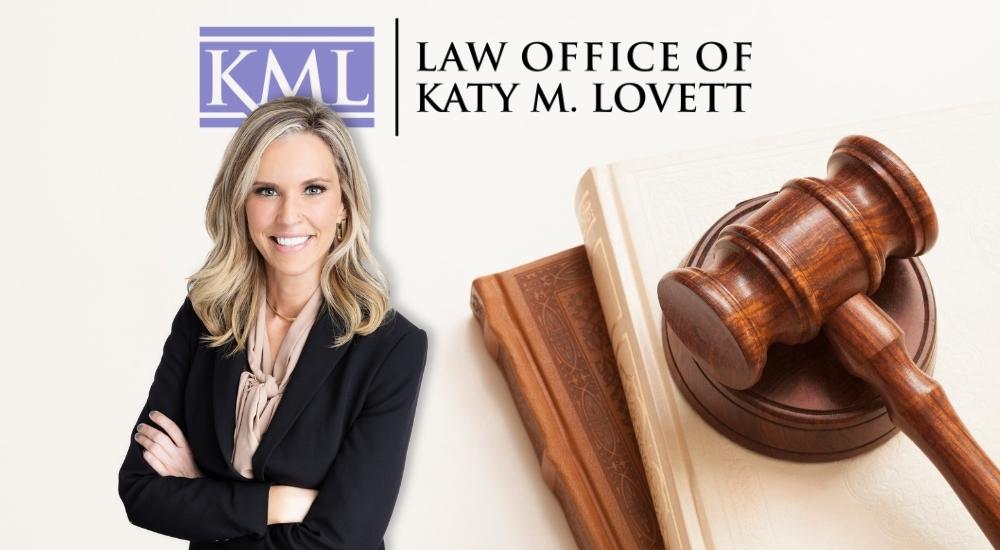
Why Choose Katy Lovett As Your Round Rock Adoption Attorney?
Attorney Katy M. Lovett has extensive experience handling family law cases throughout Williamson County and nearby Travis County, including cases involving adoption, conservatorship, and custody-related matters. She understands the local court process and the details that Williamson County judges expect to see before an adoption is granted.
As a trusted Round Rock family lawyer, Katy is committed to guiding families through each stage of the adoption with clarity and care. She takes time to understand each family’s goals, explains the required legal proceedings in plain terms, and prepares every case thoroughly so families can approach the final hearing with confidence. Her work has earned professional recognition: Katy was named to the Super Lawyers 2026 Rising Stars list for the fourth consecutive year.
The Law Office of Katy M. Lovett proudly serves families in Round Rock, Georgetown, Cedar Park, Leander, Hutto, Taylor, Liberty Hill, and other Williamson County communities.
Contact an Experienced Round Rock Adoption Lawyer at The Law Office of Katy M. Lovett Today
Adoption is one of the most meaningful steps a family can take. The Law Office of Katy M. Lovett represents clients in domestic adoption, stepparent adoption, relative adoption, adult adoption, and other Texas adoption matters. We can help with the adoption petition, parental-rights issues, consent, court requirements, and finalization, so you can focus on your family’s future.
Contact our office today by calling (512) 956-5356 or reach out online to schedule a consultation with a Round Rock adoption attorney and take the next step toward building your family.





At the Law Office of Katy M. Lovett, PLLC, you are not just a case number. Our family law attorney takes the time to listen to your concerns, understand your goals, and develop a strategic approach that aligns with your needs under Texas law.