

One of the questions we hear most at The Law Office of Katy M. Lovett is “Do I still need an attorney if I want to use a mediator?” The short answer is yes, and the reason comes down to a basic difference in roles. A mediator acts as a neutral throughout the mediation process, while an attorney represents your interests specifically, and that distinction matters more than most people expect going in.
In fact, many people who call asking Katy to “do mediation” for their divorce process aren’t necessarily looking for a neutral third party at all. What they’re really describing is help reaching an agreement, preparing settlement terms, completing the paperwork, and finalizing the case, services that typically come from a family law attorney, not a separate mediator.
Read on to learn more about the role of legal counsel during divorce mediation in Texas and how an experienced Round Rock divorce lawyer like Katy Lovett can help you throughout the legal process.
Do I Need a Lawyer for Divorce Mediation?
There’s an important difference between being legally allowed to participate in mediation without counsel and having someone actually representing your individual interests. A mediator must remain neutral throughout the process and cannot provide either spouse with individual legal advice. Texas mediator guidelines specifically state that mediators should not provide legal or other professional advice to either party.
A divorce attorney, by contrast, can advise you before mediation even begins, evaluate proposed terms as they come up, participate directly in negotiations, and review any agreement carefully before you sign something that could become legally binding.
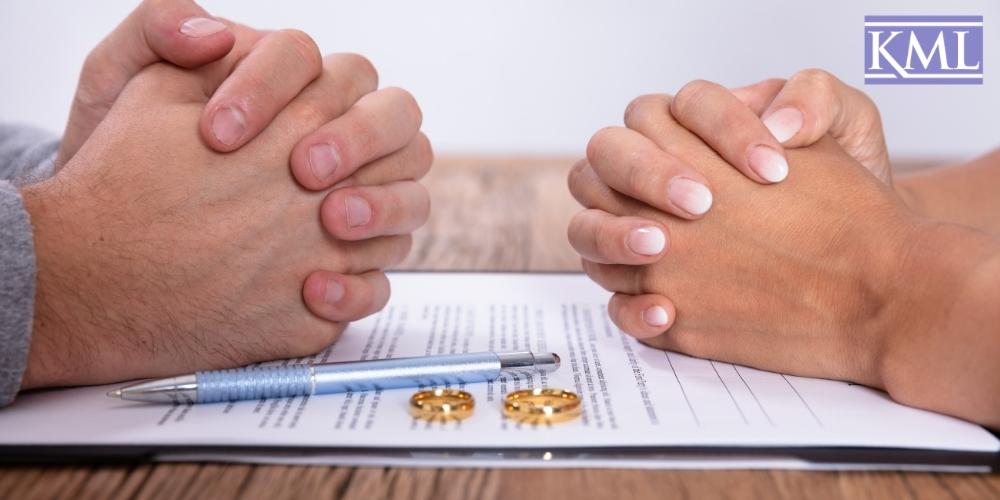
Divorce Lawyer vs. Mediator: What Is the Difference?
The two roles are fundamentally different, even though people sometimes use the terms loosely. A divorce attorney represents one spouse and can give that client legal counsel throughout the case. The attorney can also develop settlement proposals, negotiate terms on the client’s behalf, prepare court documents, and help finalize the divorce from start to finish.
A mediator, on the other hand, works as a neutral third party whose entire goal is to help both spouses reach an agreement together. The mediator does not represent either spouse — not one, and not both.
Is a Divorce Mediator a Lawyer?
Sometimes, yes. Many divorce mediators are licensed attorneys. But being an attorney doesn’t change the mediator’s role during the session itself. Remember, when an attorney is serving as a mediator, they remain neutral rather than representing either spouse individually. This addresses a common assumption clients bring to Katy: that an attorney serving as mediator could also act as both spouses’ divorce lawyer at the same time. That isn’t the case.
Can an Attorney Be a Mediator?
Yes, an attorney can serve as a mediator, but their duties change substantially when acting in that neutral capacity. Texas ethics guidance draws a clear distinction between memorializing an agreement reached during mediation and representing the spouses by preparing their divorce decree and other related legal documents. As a general rule, a lawyer cannot mediate a divorce for two unrepresented spouses and then turn around and represent both of them to complete the divorce. Those are two separate roles that don’t mix.

Is Mediation Required for Divorce in Texas?
Texas does not impose one universal rule requiring mediation in every divorce case. Courts have the authority to refer cases to mediation, and individual courts may follow their own local procedures.
For couples in the Round Rock area specifically, Williamson County states that mediation is not required under most circumstances, although courts recommend it in many cases. The county’s family standing order also encourages spouses to use mediation and other dispute-resolution methods before proceeding to a contested hearing.
How Does Divorce Mediation Work in Texas?
Generally, the spouses identify the unresolved issues in their divorce agreement and work with a neutral mediator to try to reach mutually acceptable terms. Each spouse’s own attorney, if they have one, may participate in the sessions and advise their respective clients throughout the negotiation process.
Negotiations during mediation may address property division, debts, parenting arrangements, child custody, child support, spousal maintenance, real estate, retirement accounts, and any other disputed issues specific to the family. If the parties reach a qualifying Mediated Settlement Agreement (MSA), Texas Family Code Section 6.602 establishes requirements that can make the agreement binding and entitle a party to judgment based on its terms.
Mediation in Texas Divorce: What Issues Can You Resolve?
Mediation can generally address most of the settlement issues that would otherwise require negotiation or a court decision. Common topics include:
- The division of community property and debts
- The marital home
- Retirement assets
- Conservatorship of minor children (aka child custody agreements)
- Parenting plans, visitation, and possession schedules
- Child support
- Spousal maintenance (aka spousal support or “alimony”)
- Other terms unique to each family’s situation
It’s worth emphasizing that seemingly minor details can create real disputes down the road when settlement language is left unclear. A term that feels resolved in the room can turn into a point of confusion or conflict months later if it wasn’t drafted with precision.
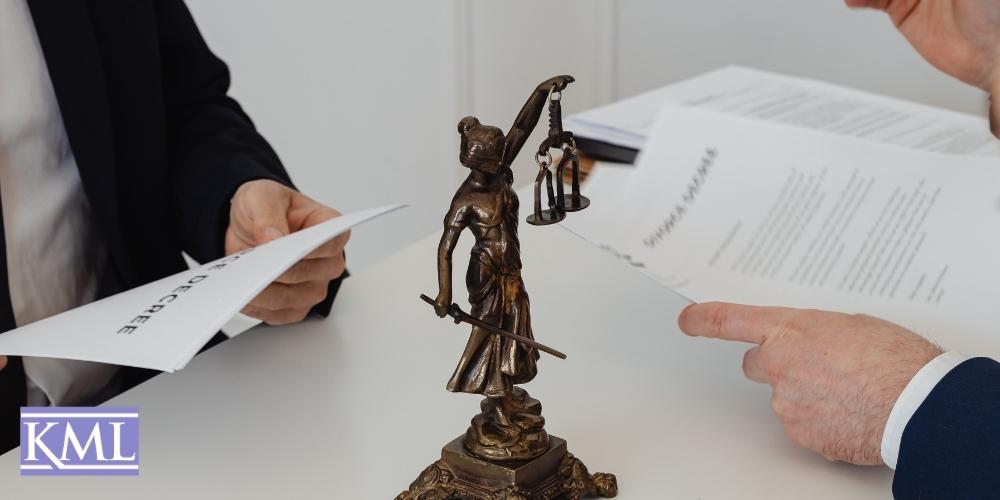
Do I Need an Attorney for Mediation Before I Agree to Settlement Terms?
This is where independent legal advice matters most. Before signing anything, an attorney can help you understand what legal rights you may be giving up, identify issues that are missing from the proposal entirely, and think through how the terms could affect you later, not just today.
This becomes especially important given that a qualifying Texas Mediated Settlement Agreement may become binding almost immediately once signed. There’s often very little room to revisit terms after the final decisions are made, which makes reviewing the agreement before signing far more valuable than reviewing it after.
Do You Need a Lawyer for Mediation If You and Your Spouse Already Agree?
Spouses sometimes believe they need a mediator simply because they want an uncontested or cooperative divorce process. But if they already have an agreement (or believe they can reach one through direct negotiations), a separate mediator may not actually be what they need.
In these cases, Katy M. Lovett can represent one party, discuss appropriate settlement terms with that client specifically, prepare a comprehensive proposal, negotiate any unresolved details directly with the other spouse, and handle the paperwork required to complete the divorce. This approach often allows divorcing spouses who are largely aligned to finalize things efficiently, without going through a separate mediation process at all.
It’s important to be clear about one thing: Katy represents and advises her own client only. She cannot provide legal advice to the other spouse, even in a fully amicable situation. That boundary exists to protect both parties’ legal rights, not to create friction.
Benefits of Having an Experienced Legal Representative During Mediation Sessions
Having skilled legal representation during mediation can provide practical guidance while helping you protect your best interests. Although mediation can support saving time and money compared with prolonged litigation, the process can still become time-consuming when disagreements are difficult to resolve. An attorney can help keep discussions focused and work toward a successful mediation without sacrificing important legal or financial concerns.
Having an attorney present can offer several benefits:
- Real-time evaluation of proposed terms before you agree to provisions that may affect your rights, finances, property, or children.
- Guidance based on how Texas family courts may address similar issues if mediation does not produce an agreement.
- Help setting realistic expectations, which may reduce unnecessary conflict and support the cost-effectiveness of mediation.
- Assistance responding to unreasonable demands while keeping negotiations productive.
- More control over potential outcomes by helping you make informed decisions instead of leaving disputed issues for a judge to decide.
- Careful review of settlement language before an agreement becomes binding or becomes the basis for final court orders.
Your attorney works as your individual legal representative throughout mediation, while the mediator remains neutral and does not represent either spouse. This distinction becomes especially important when proposed terms could create higher costs or lasting consequences after the divorce is finalized.

Can You Go to Mediation Without a Lawyer?
In some Texas divorce cases, a person may participate in mediation without having an attorney present. Williamson County even describes mediation as a process that may occur with or without attorneys involved.
That said, the fact that you can proceed without counsel doesn’t mean doing so is always advisable. Remember, the mediator cannot take one spouse aside privately and explain what settlement terms would best protect that spouse’s individual interests. That kind of guidance simply isn’t available from a neutral mediator, no matter how experienced or well-intentioned they are. That is a large part of what makes working with a Round Rock divorce mediation lawyer like Katy Lovett so beneficial for clients seeking a divorce.
Potential Downfalls of Going to Mediation Without an Attorney
A few recurring concerns come up when spouses go through mediation unrepresented:
- Uneven knowledge of the couple’s full financial picture
- Disagreements about property ownership that aren’t fully resolved before signing
- Uncertainty about retirement assets and how they’ll actually be divided
- Parenting provisions that sound reasonable but create problems later
- Support obligations that aren’t fully understood at the time of signing
- Genuine uncertainty about the long-term consequences of the settlement itself
It’s also worth addressing a specific scenario: situations where one spouse has an attorney while the other does not. In that case, the represented spouse’s attorney represents that spouse alone — not the unrepresented party, and not the marriage as a whole.
Divorce Mediation Without Lawyers: Who Handles the Final Divorce Paperwork?
Reaching an agreement in mediation does not automatically complete the divorce. The settlement terms still need to be accurately reflected in the appropriate court documents and final orders, and that step doesn’t happen on its own.
A mediator may memorialize the terms reached during mediation, but the mediator does not become the attorney for both spouses simply by writing up what was agreed to. Texas ethics guidance specifically distinguishes between preparing a settlement memorandum and acting as counsel to prepare the divorce decree and other legal documents for both parties. Someone still needs to handle all the paperwork required to actually finalize things with the family court.

When You May Need a Divorce Attorney Instead of a Mediator
If you find yourself saying, “We basically agree — I just need someone to help us figure out the terms and complete the divorce,” you may actually be describing the services of a divorce attorney rather than a neutral mediator.
In situations like this, Katy can represent one spouse, help that person develop comprehensive settlement terms, communicate or negotiate directly with the other spouse, prepare the required documents, file them with the court, and work toward finalizing the divorce from start to finish.
This isn’t to say mediation never has a place in these situations, however. A mediator can still become useful if negotiations stall or if significant disagreements remain despite everyone’s good faith efforts to resolve things directly.
Talk to a Round Rock Divorce Lawyer Before Choosing Mediation
You don’t have to figure out on your own whether you need traditional divorce mediation, attorney-led settlement negotiations, or some other approach entirely. Every divorcing couple’s situation is different, and the right process depends on what issues actually remain unresolved and how likely you and your spouse are to reach agreements without going to court.
As a Williamson County divorce attorney with extensive legal experience in family law, Katy M. Lovett can review your situation, walk you through the available options, and help determine what makes sense given the specific issues still on the table, whether that means representing you through direct negotiation, participating alongside a mediator, or preparing you for traditional divorce litigation if an agreement isn’t possible. She’ll be with you through the entire process, helping you navigate your legal matters with clarity and confidence at every step.
Contact the Law Office of Katy M. Lovett to talk through your options before deciding how to move forward. Call (512) 956-5356 or reach out online to get started today.